The Codex Mendoza, Digitized
Mexico's national anthropology institute turned an Aztec codex into an interactive edition: zoomable pages, glyph explanations, transcriptions, maps and a timeline.
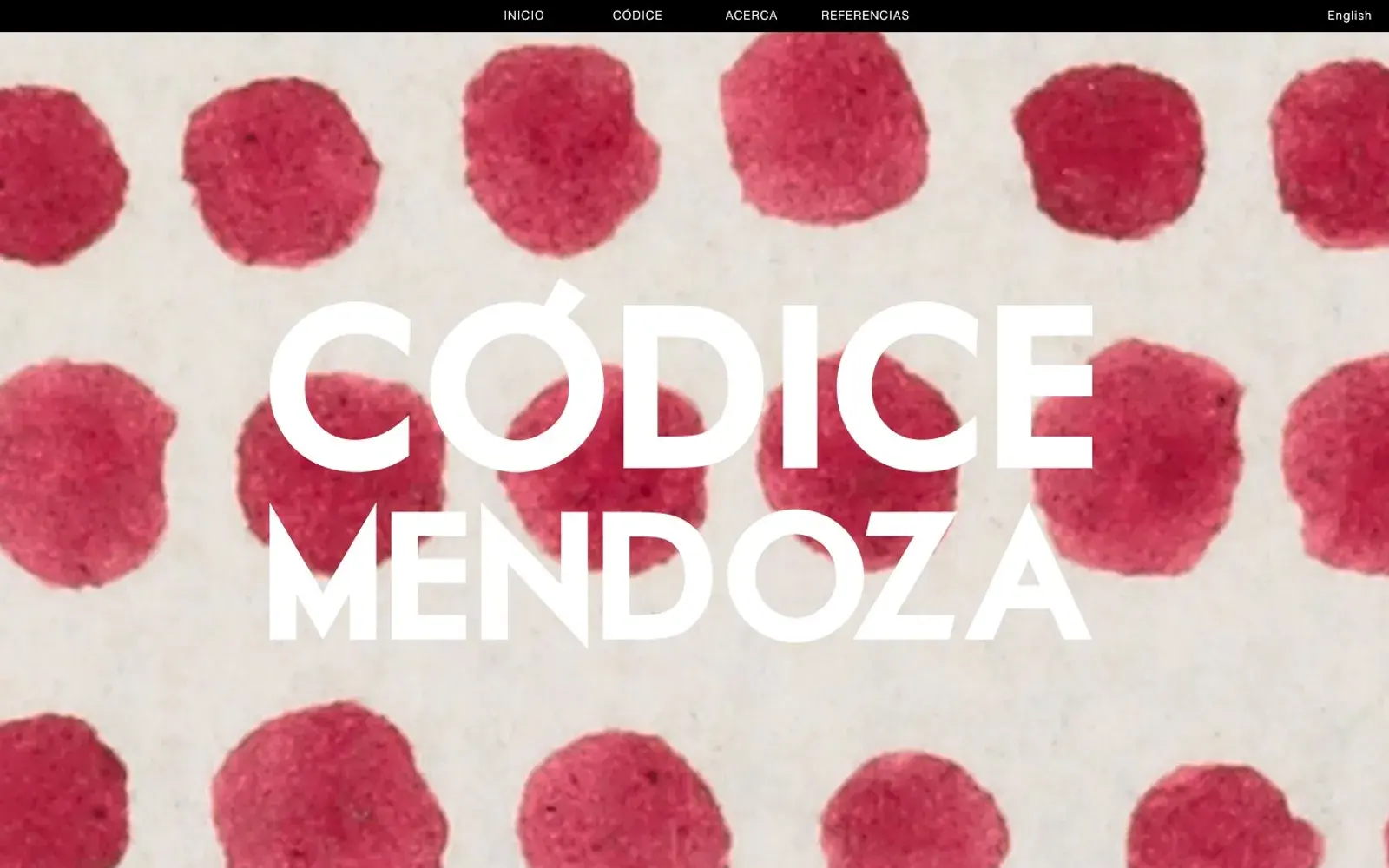
What it is
The Codex Mendoza is one of the best-known Aztec manuscripts: painted pages on the conquests of the Mexica state, the tribute paid by subject towns, and daily life from birth to old age. Mexico's National Institute of Anthropology and History (INAH) built a digital edition where you can study each page and read explanations alongside it. The site defaults to Spanish and has a full English version.
Why we picked it
It goes well beyond scans. Each page comes with layers: a hypermedia view that highlights and explains individual images, a transcription of the colonial-era Spanish annotations, notes on the manuscript as a physical object, and maps and a timeline. The About section makes a point we found eye-opening: Mexican codices weren't books in our sense. Their images were prompts for a speaker who read them aloud and expanded on them for an audience.
The daily life section is the most absorbing. The drawings follow a person's life from birth to old age, and you can follow a lot of it from the pictures alone.
Where to start
- Switch the language to English from the top menu.
- Open the Codex section and jump to Daily life.
- Turn on the Hypermedia layer and hover over the figures to see what they mean.
- Check Maps and Timeline to place the tribute towns geographically.
- Read the introduction under About for a short primer on how codices were read.
Who it's for
History buffs, anyone drawn to ancient civilizations, illustrators interested in pictorial storytelling, and travelers preparing for Mexico City's anthropology museum.
Quick answers
What language is it in? Spanish, with an English version; the images need no translation.
Who made it? Mexico's National Institute of Anthropology and History (INAH).
What does the codex cover? Aztec conquests, the tribute of subject towns, and everyday life.