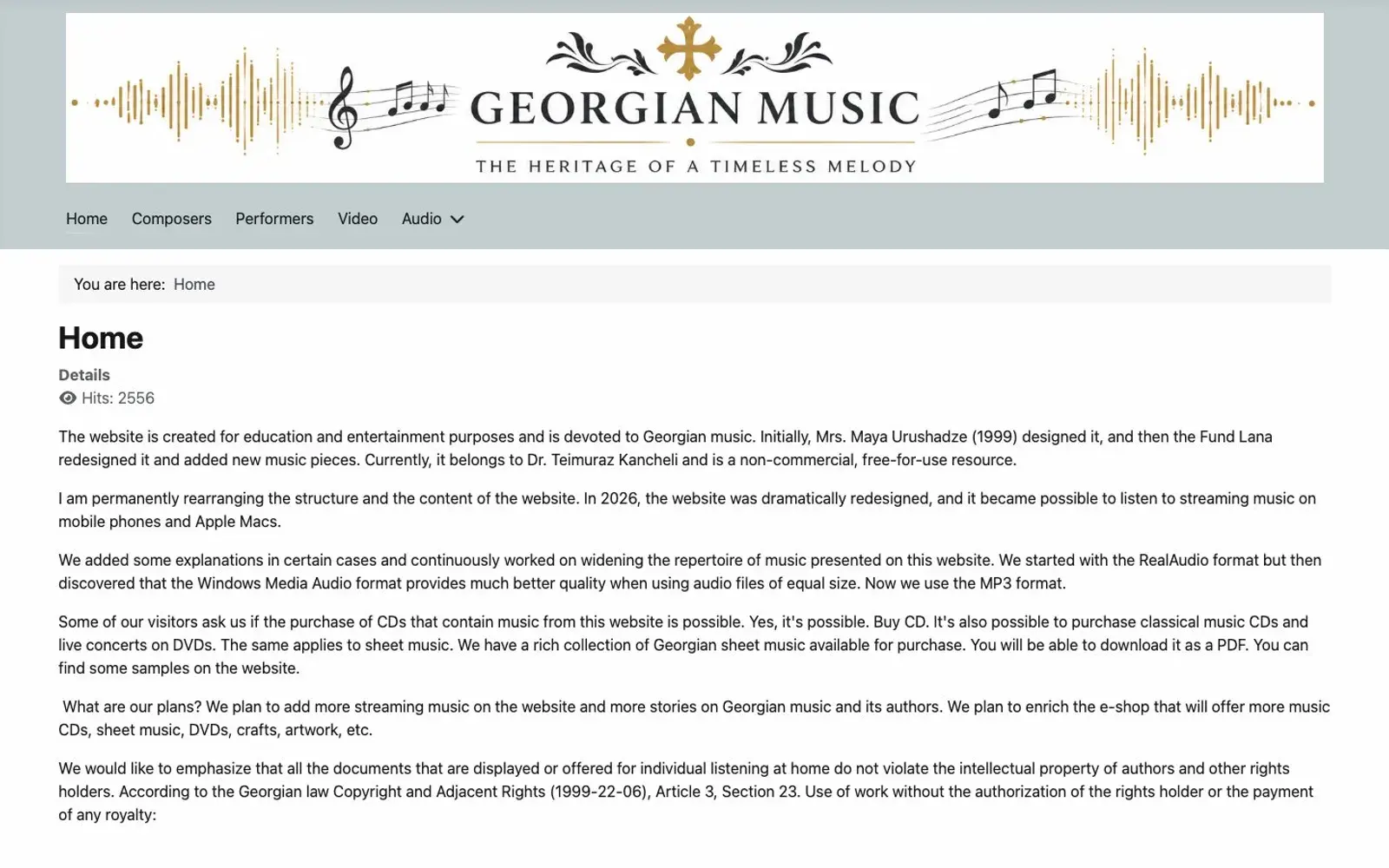
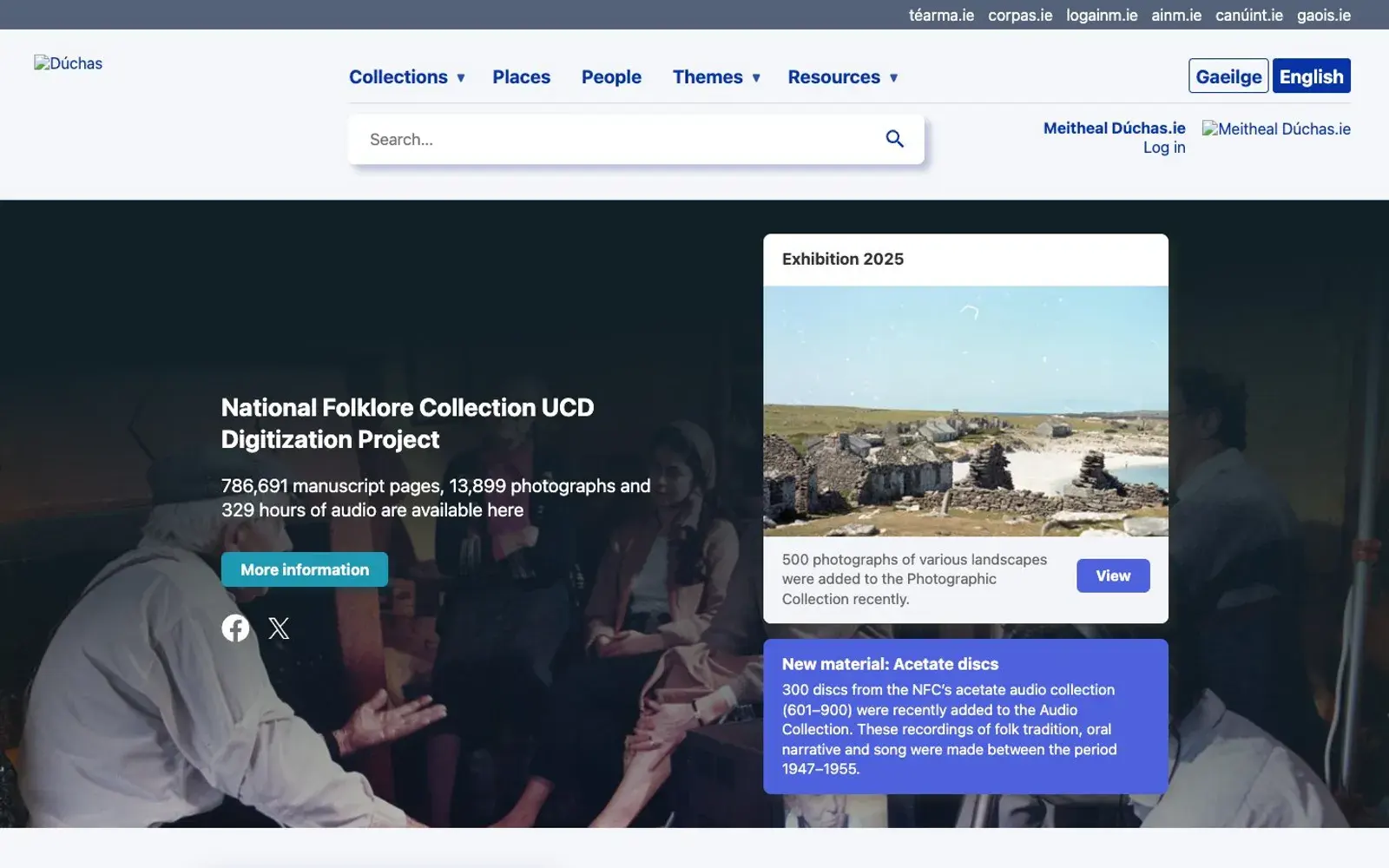
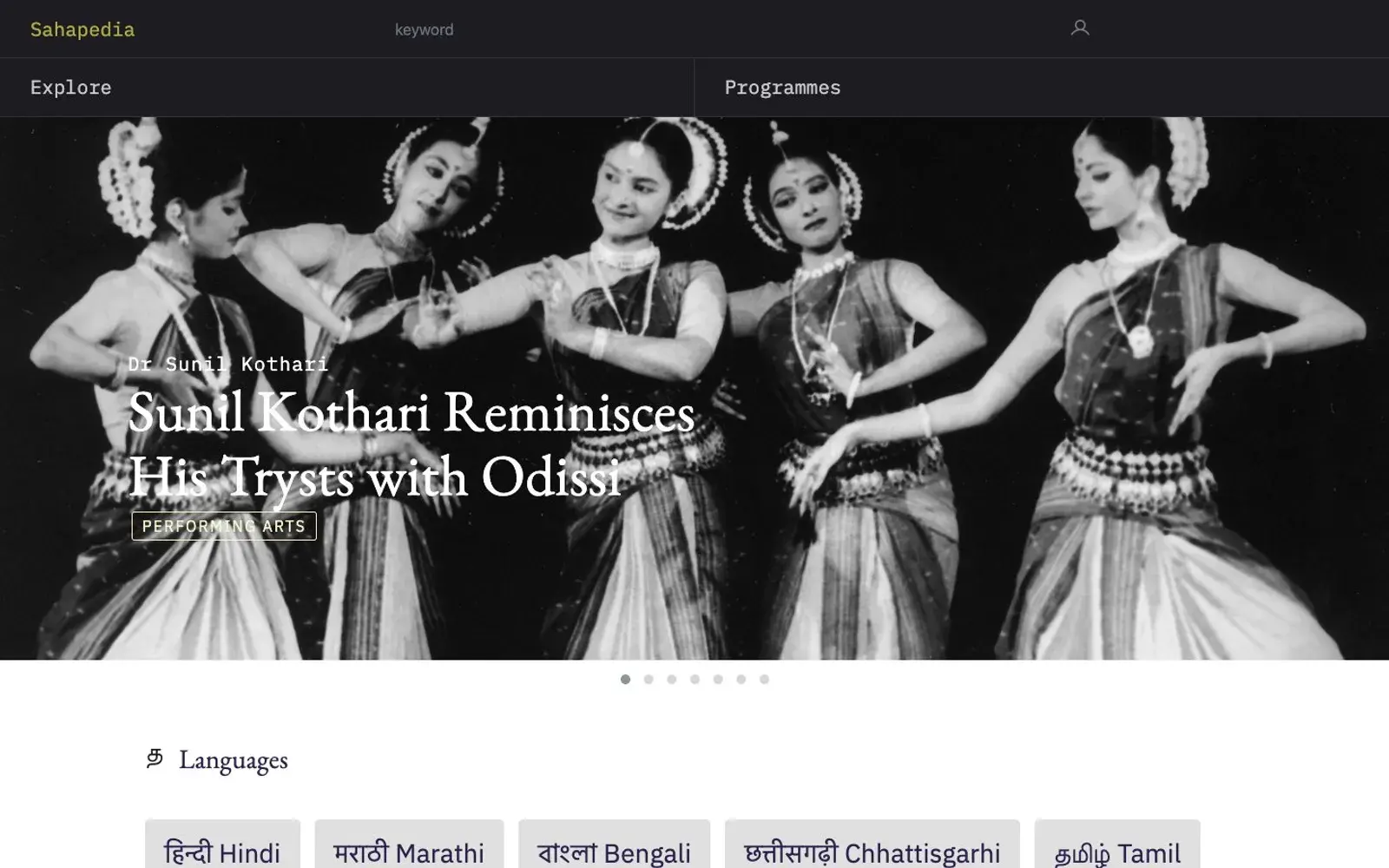
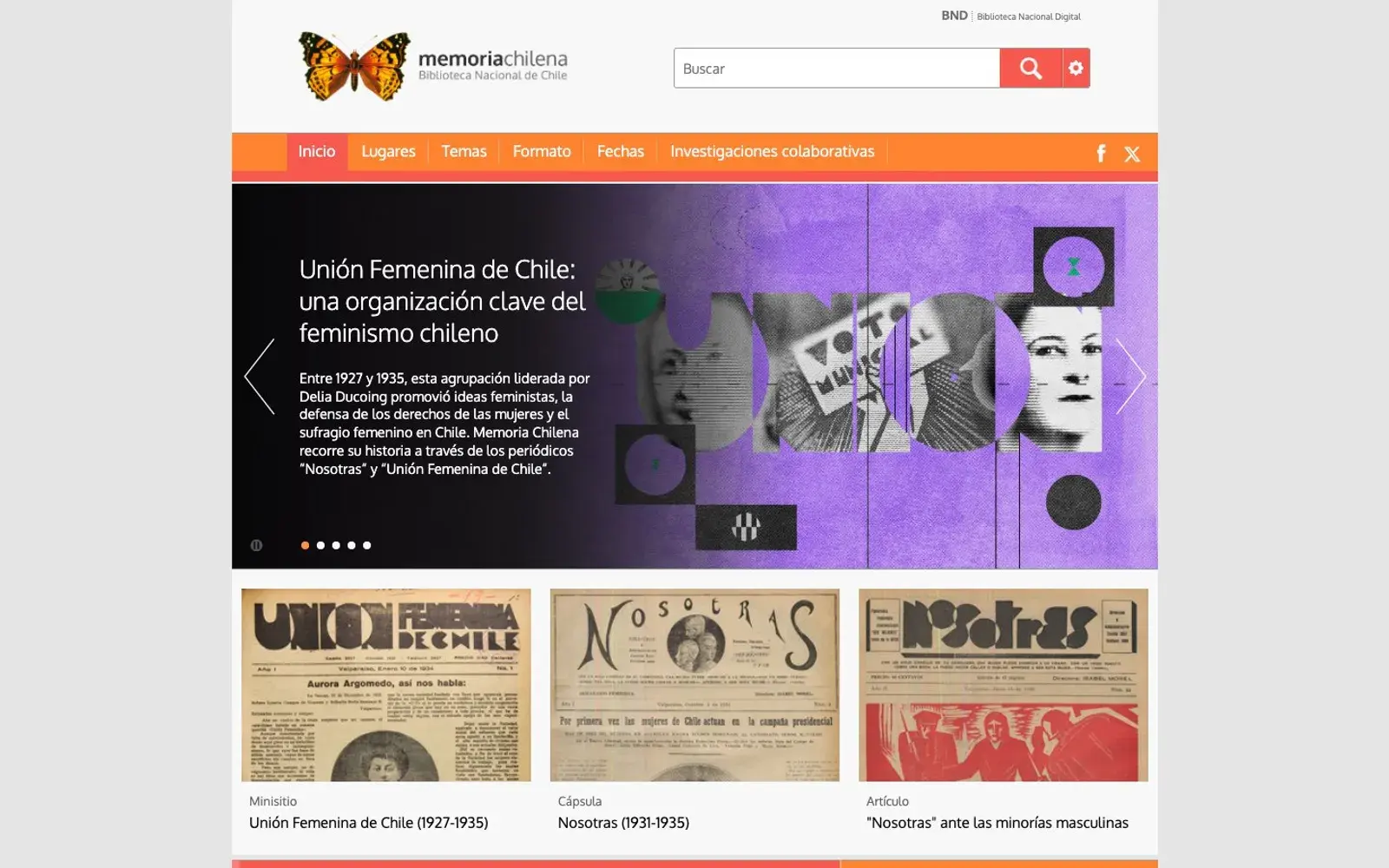
Todotango: all things tango
A big Argentine tango archive: biographies of musicians and poets, lyrics, sheet music, recordings, history pieces and a whole section on Carlos Gardel. English version included.

What it is
Todotango is a large online archive of Argentine tango, officially declared a site of "National Interest" in Argentina. It's organized into music (songs, scores, lyrics), artists (musicians, poets, singers, composers, dancers), a dedicated Carlos Gardel section, dance, "chronicles" with history and interviews, and a film library. It runs in Spanish, English, German and Portuguese, though not everything is translated equally.
Why we picked it
Tango is Buenos Aires' biggest cultural export, but behind the postcard image of a couple mid-step there's a whole body of poetry and more than a century of recordings. That's what Todotango is about: who wrote lyrics in lunfardo slang, who played in which orchestra, how line-ups changed. The homepage lists today's anniversaries — who was born and who died on this date, sometimes over a hundred years ago. There's a daily music pick and a "daily Gardel song," so you can simply listen. And there are delightfully specific pieces, like one on French words in tango lyrics or a rundown of tango sextets and their line-ups from 1919 to 1973.
Where to start
- Play "Our daily Gardel song" on the homepage.
- Check today's anniversaries and click a couple of names you don't know.
- Read something from "The Chronicles" on the genre's history.
- Open the Gardel section — nearly every tango conversation starts there.
- If you play an instrument, look up the score for a tango you love.
Who it's for
Dancers and would-be dancers, fans of old recordings, and anyone curious about Argentina beyond the travel-brochure level. The English version exists, but some lyrics and articles remain in Spanish. There are ads, though they don't get in the way.
Quick answers
Can I listen to music there? Yes — daily playlists and a Gardel song on the homepage, plus recordings on song pages.
What languages? Spanish, English, German and Portuguese; the Spanish version is the most complete.
Do I need an account? Not for reading or listening.